How to Write a Case Study for Your Own Website
Most small-business case studies read like receipts: a list of deliverables and a line of praise. Here is the structure that makes one persuasive instead.

Positioning, naming, and messaging. The decisions that get made before anyone opens a design tool, and why they determine whether the design works at all.
Most small-business case studies read like receipts: a list of deliverables and a line of praise. Here is the structure that makes one persuasive instead.

You do not need an agency to review your own brand. Five steps, a half day of work, and a one-page list of what to fix first.
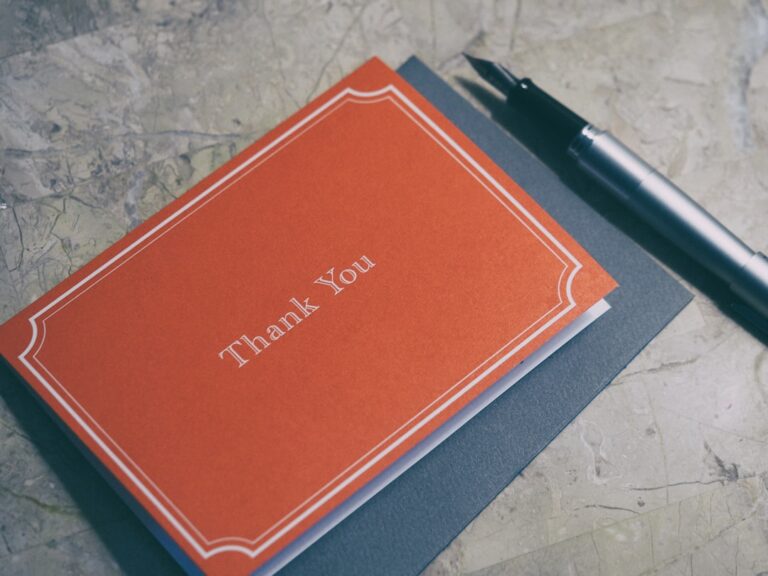
Most small-business testimonials are decoration. A better ask — three narrow questions at the right moment — produces proof a hesitant buyer can use.

A tagline is optional, and a generic one is worse than none. How to tell whether your business needs one, and how to write a line that actually says something.

Announcing a rebrand takes more than a single email. Here's the four-week communications plan that keeps existing customers on board while giving your new identity a real launch.

A domain name is one of the few pieces of brand infrastructure you carry with you for the life of your company. Here's how to pick one that supports the business you're building, not one you'll have to migrate away from later.

Brand discovery is the research and conversation phase that happens before any design work begins. Here's what it actually includes — and why skipping it usually costs more later.

On most small-business sites, the About page is the weakest page. Here's what it should answer, what to cut, and a practical rewrite plan.

Most small businesses don't have a brand voice — they have four pages written by four people. Here's how to define one and test whether it's working.