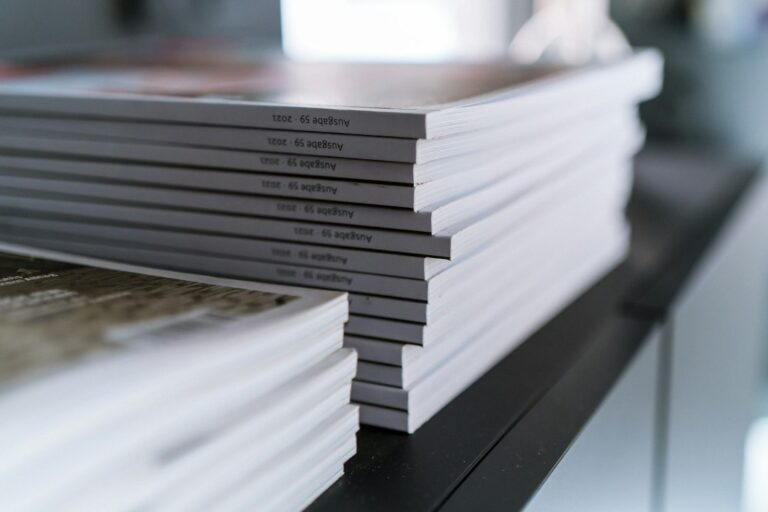
How to Write a Case Study for Your Own Website
Most small-business case studies read like receipts: a list of deliverables and a line of praise. Here is the structure that makes one persuasive instead.

Most small-business case studies read like receipts: a list of deliverables and a line of praise. Here is the structure that makes one persuasive instead.
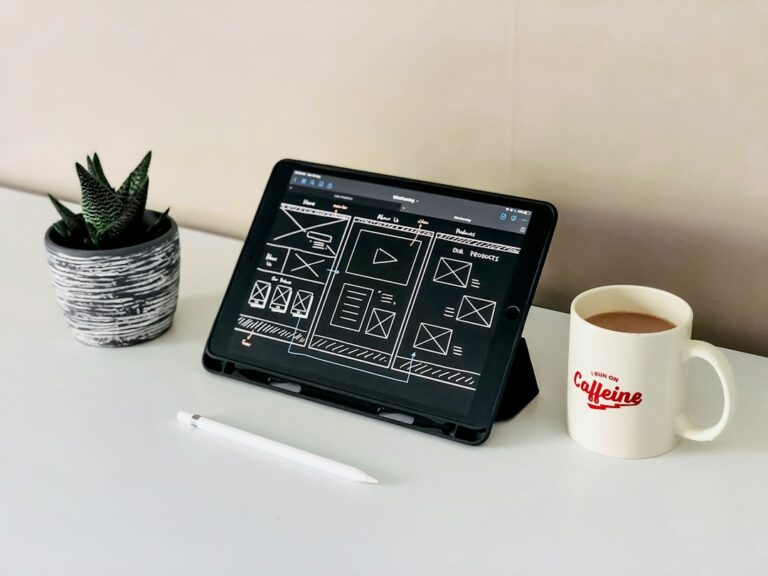
Most small businesses put every service on one page. Splitting them up is the single cheapest improvement available to a service business website — here is how many pages you need and what belongs on each.

Most small-business testimonials are decoration. A better ask — three narrow questions at the right moment — produces proof a hesitant buyer can use.

A tagline is optional, and a generic one is worse than none. How to tell whether your business needs one, and how to write a line that actually says something.

Whether to publish prices on your website is a question about who you want to attract. A practical framework — and when silence is actually defensible.

Announcing a rebrand takes more than a single email. Here's the four-week communications plan that keeps existing customers on board while giving your new identity a real launch.

A practical, pre-project checklist for small businesses: content inventory, URL mapping, media prep, sitemap, and copy — before the developer starts the clock.

Brand discovery is the research and conversation phase that happens before any design work begins. Here's what it actually includes — and why skipping it usually costs more later.

A contact page is the lowest-friction conversion path on a website. Here is what belongs on it, what to leave off, and the form-field rule that actually gets people to reach out.