IDX Integration: How MLS Listings Get on Your Real Estate Website
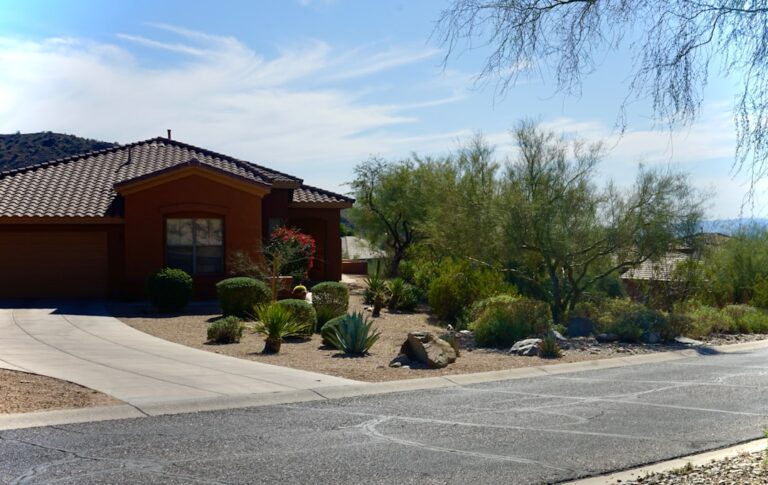
IDX is a policy before it is a technology. Here is what an MLS feed actually gives a brokerage, the three ways listings can be displayed, and what each one costs.

IDX is a policy before it is a technology. Here is what an MLS feed actually gives a brokerage, the three ways listings can be displayed, and what each one costs.

Paying for a website and owning one are two different things. Here is what the domain, the code, the fonts, and the accounts each require before the answer is you.

Some build decisions still work fifteen years later. Others died with the company behind them. What two decades of building shows about the difference, and the one question to ask about a proposal.

The dramatic version of a hacked website has someone defeating a firewall. The ordinary version is a reused password, a plugin nobody updated, or an admin account belonging to a contractor who left in 2019.

Two proposals for the same WordPress site can differ by twenty thousand dollars. Here's how to read the line items — and what to compare — so you can tell why.

A step-by-step guide to redirect mapping before a WordPress redesign — what to redirect, where to send it, and how to keep the SEO you already have.

The research on homepage carousels is one-sided: about 1% of visitors click one, and almost all of those clicks land on the first slide. Here's why sliders keep getting built anyway, the accessibility cost, and what to build in their place.

Whether to publish prices on your website is a question about who you want to attract. A practical framework — and when silence is actually defensible.
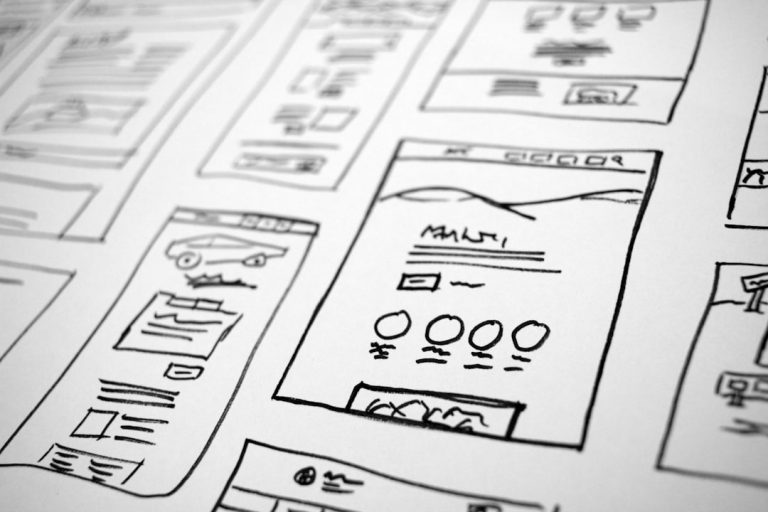
Bigger sites don't rank or convert better — they just get harder to maintain. Why a smaller, sharper website is almost always the right call.