
What a web design engagement looks like
Most of my web design projects follow the same arc: a discovery conversation to understand the business, its audience, and its goals; wireframes and layout planning before any visual design begins; a design phase grounded in the brand identity (existing or newly created); development in clean, semantic HTML and CSS with a focus on accessibility and search-engine friendliness; testing across browsers and devices; and a structured launch with documentation so the client can manage their own content going forward.
I build sites on WordPress by default. Every project is custom-built from a strategic foundation — no page builders, no drag-and-drop templates, no bloated theme frameworks adding weight the site does not need.
What does a custom website cost for a small business?
A custom website typically runs between $5,000 and $25,000, depending on the number of pages, the complexity of the content structures, and whether the project includes eCommerce, membership features, or a product catalog. A five-page service site for a local business sits at the lower end. A site with custom post types, advanced filtering, and a large content library sits toward the top. Every project is scoped individually — there are no off-the-shelf packages.
Performance and standards
Every site I ship is expected to score above 90 on Google PageSpeed Insights on both mobile and desktop. Valid HTML, semantic markup, proper heading hierarchy, descriptive image alt text, and keyboard-accessible navigation are standard — not add-ons. These are the basics that separate professional web work from template installations, and they directly affect search rankings, accessibility compliance, and the first impression a visitor forms in the first five seconds.
Patrick Iverson has been building websites from Santa Fe, New Mexico since 2001 — across industries, platforms, and every major shift the web has gone through in that time. If your business needs a website that is fast, accessible, and designed for the way your customers actually use it, ask about the standards I build to.
Selected web design work
Patrick Iverson has been designing and building custom websites from Santa Fe, New Mexico since 2001 — strategy-led web work for businesses of every size, from neighborhood storefronts to national organizations. Below is a selection of recent web design projects.
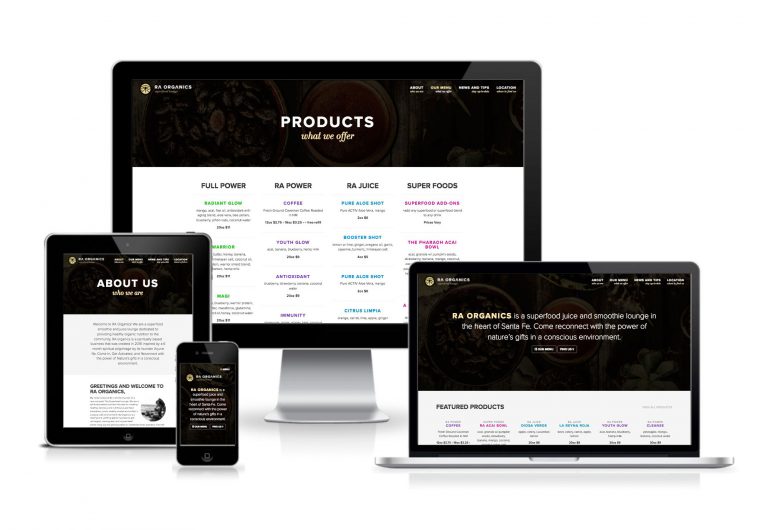
RA Organics

Blast from the Past! Spaceport America Website – Circa 2006
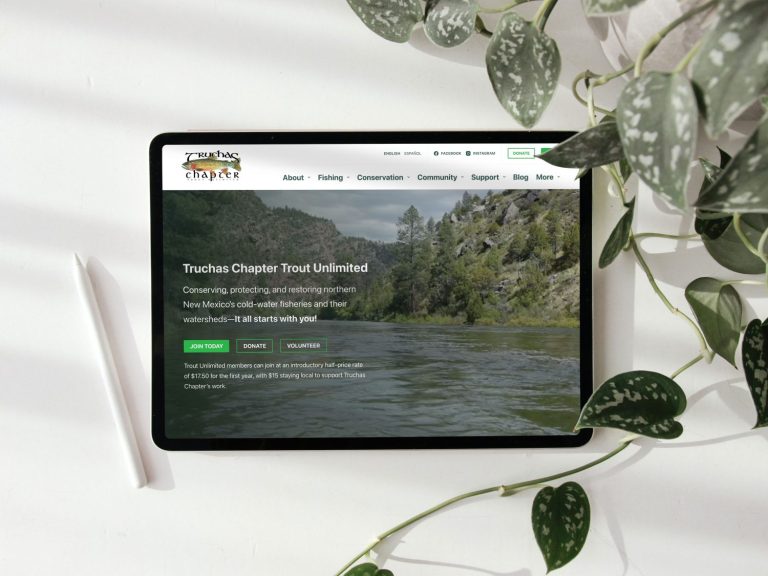
Truchas Chapter Trout Unlimited
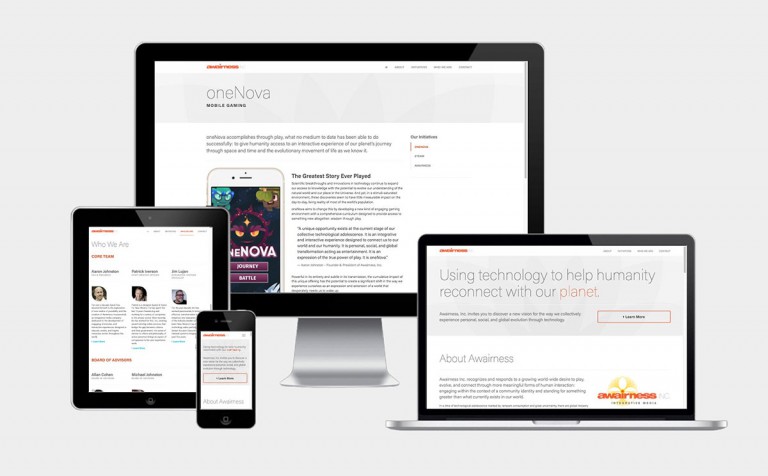
Awairness, Inc.
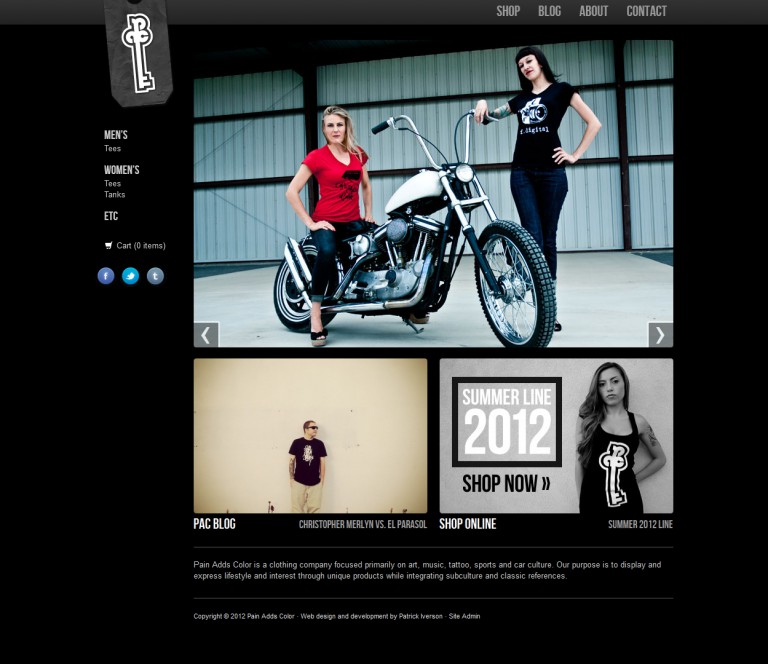
Pain Adds Color WordPress Web Design
How long does a website project take?
The schedule is set in the proposal, because scope is what drives it. The things that move it most are the number of pages, how complex the content structures are, and whether the site includes eCommerce, membership features, or a product catalog. The other variable is the client side: a project moves at the speed content, feedback, and approvals come back, and a site waiting on copy sits still no matter how much of the development is finished.
What do you need from me while the project is running?
Four things, mostly early. A real conversation about the business, its audience, and what the site has to accomplish. The content, or a decision about who is writing it. Access to the domain, the hosting, and any accounts the site has to connect to. And timely feedback at each approval point, because the next phase is usually waiting on it. Everything after that is on my side of the table.
What does user-centered design mean in practice?
It means structure gets decided before styling. Wireframes and layout planning come first, worked against the real content and the goals of the people who will use the site, and the visual design follows once that is settled. Further along it means semantic markup, a proper heading hierarchy, keyboard-accessible navigation, descriptive alt text on images, and testing across browsers and devices rather than a check on one laptop. None of it is an add-on at the end. It is what makes the site usable for whoever lands on it.
What happens after the site launches?
The site is handed over with documentation and a walkthrough, so the people who will run it can add a page, publish a post, or change a price without calling anyone. That handover is part of the build, not an upsell. Ongoing maintenance is a separate arrangement: core and plugin updates, security monitoring, and the occasional content change, scoped on its own rather than folded into every project. Some clients take that on, some run the site themselves, and both work.
Who owns the website when the project is finished?
You do. On full payment, the finished deliverables named in your proposal are yours, along with a perpetual license to the reusable components built into them. Nothing about the site is locked to me. It is standard WordPress, it is documented, and another developer can pick it up and keep going. That is deliberate. A client who stays because leaving would be painful is not a relationship worth having.
If you have a website project in mind, even a rough one, start a conversation. The scope can take shape from there.